Farming sim basics: your first week on the farm
New to farming games? This guide walks through the typical first week, from clearing land to selling your first harvest, so you can settle in without feeling overwhelmed.
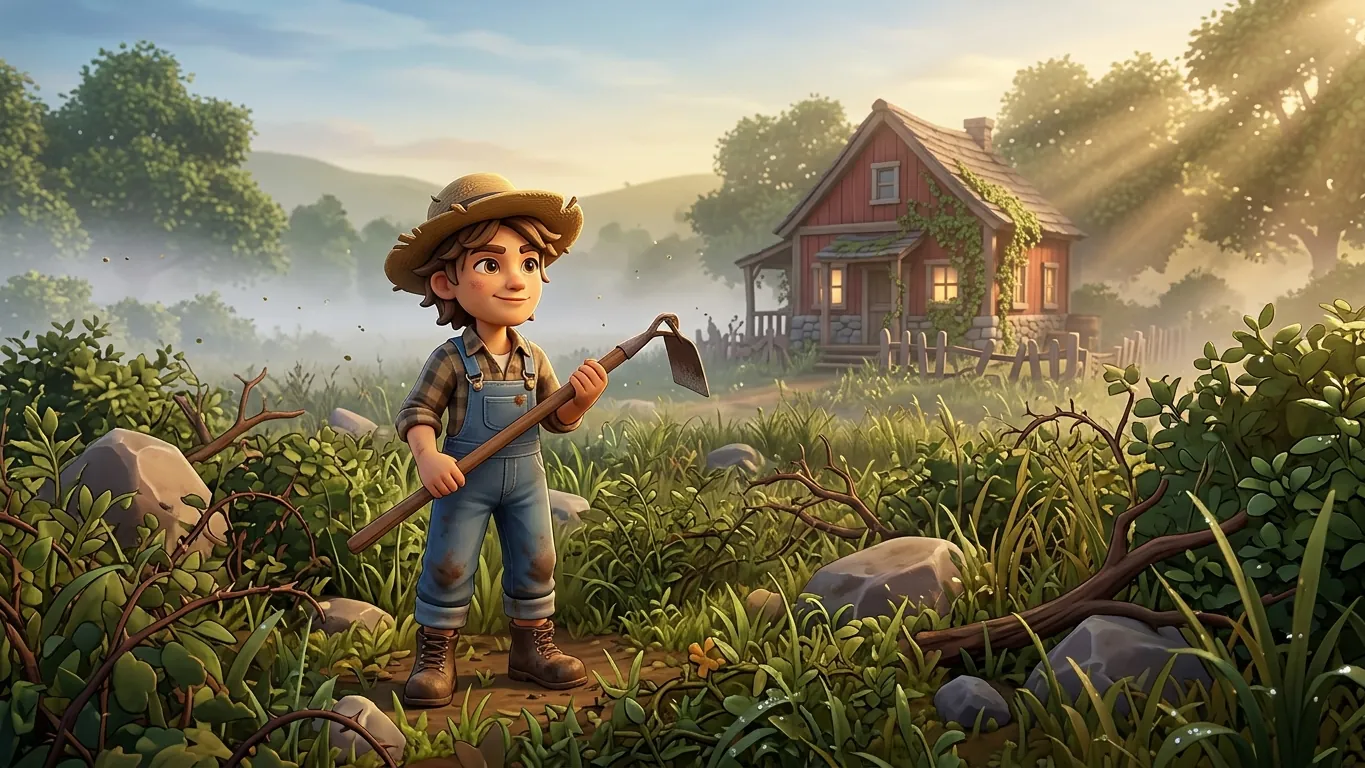
How farming games usually begin
Most farming simulation games open in a similar way. You arrive at a modest plot of land that has seen better days. There are weeds, stones, tree stumps and perhaps a run-down building or two. You have a handful of basic tools, a small amount of starting money and a few packets of seeds.
It can be tempting to try to do everything at once, but the first week is really about learning the rhythm of the game. Each in-game day has limited time, and your character usually has limited energy or stamina. Understanding those two limits is the foundation of everything else you will do.
Clear a small area first
Rather than clearing the entire farm on day one, pick a compact patch close to your house or water source. A small, well-tended field is far easier to manage than a sprawling one you cannot water in time.
Clearing debris often gives useful materials as well. Wood and stone collected early can later be used to build fences, paths, storage chests or simple structures. So while you clear, you are also stocking up for future projects.
A good habit is to clear a little more land each day as part of your routine, instead of spending all of your energy in one long session.
Plant, water and wait
Once the soil is ready, plant your starting seeds. Many games show how many days each crop needs to grow, and some crops can be harvested more than once. Early on, crops that grow quickly are often a helpful choice, because they give you feedback and income sooner.
Watering is usually a daily task unless it rains or you have automated irrigation. Check how your game handles missed watering days. In some games a dry day simply pauses growth, while in others it can have bigger consequences. Knowing the rule helps you decide how large your field should be.
Sell, save and reinvest
Your first harvest is an exciting moment. Most games let you sell produce through a shop, a market stall or a shipping box. Before you sell everything, consider keeping a few items. Some games use crops for quests, gifts, cooking or crafting, and having a small stock on hand can save you time later.
With the money you earn, a balanced approach works well: buy enough seeds to keep your field busy, and set aside some funds for a tool upgrade or a storage solution. Reinvesting steadily tends to feel smoother than spending everything immediately.
A simple first-week checklist
Use this as a gentle outline and adapt it to your game.
- 01
Explore the farm and nearby town
Learn where shops, water sources and key characters are before committing to big plans.
- 02
Clear a compact starter field
Choose a small area near water that you can comfortably maintain each day.
- 03
Plant fast-growing crops
Quick crops help you learn growth cycles and earn early income.
- 04
Water every day
Make watering the first task of each morning so it never gets forgotten.
- 05
Sell part of the harvest
Keep a few items for quests, gifts or recipes, and sell the rest.
- 06
Reinvest carefully
Split your earnings between more seeds and a useful upgrade.
Related articles
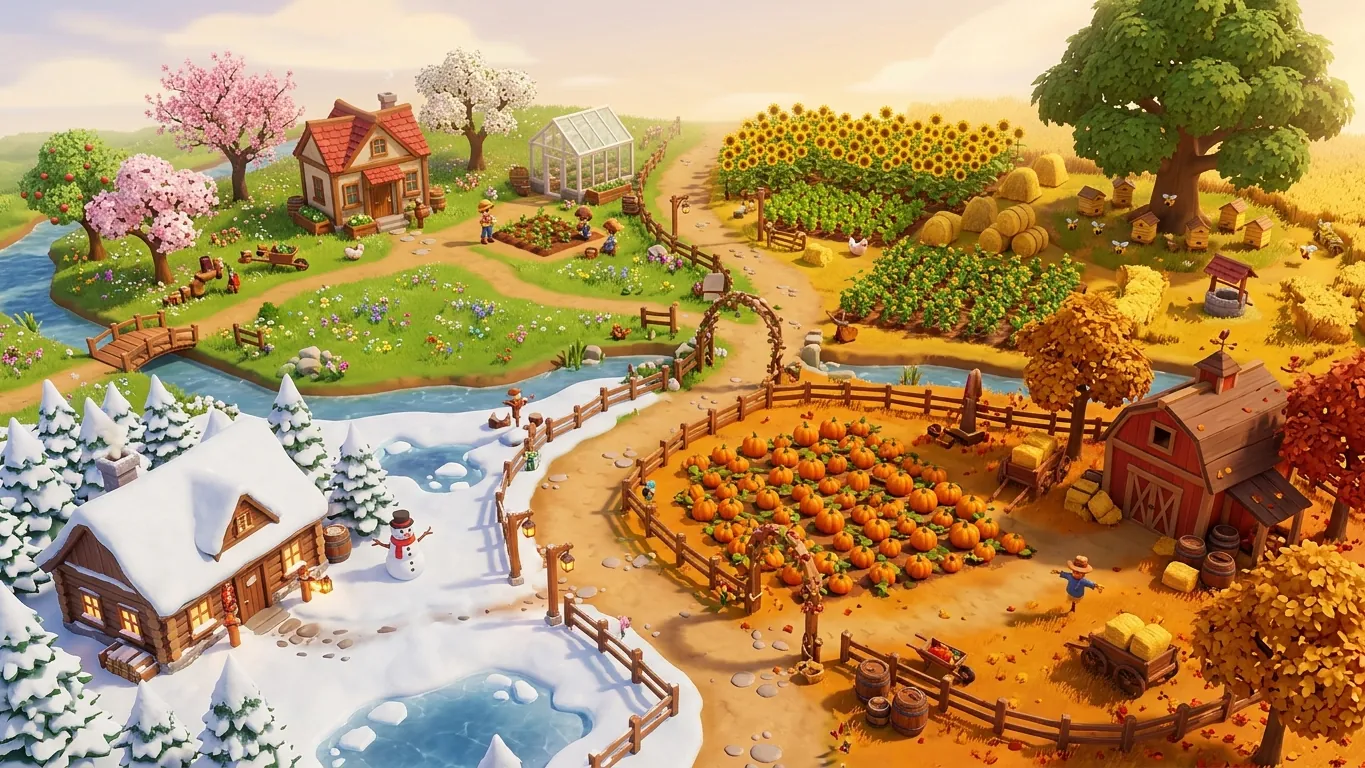 Seasonal crop planning in farming games
Plan your farming game fields around seasons, growth times and watering. Practical ideas for layouts, crop variety and smooth season transitions.
Read more
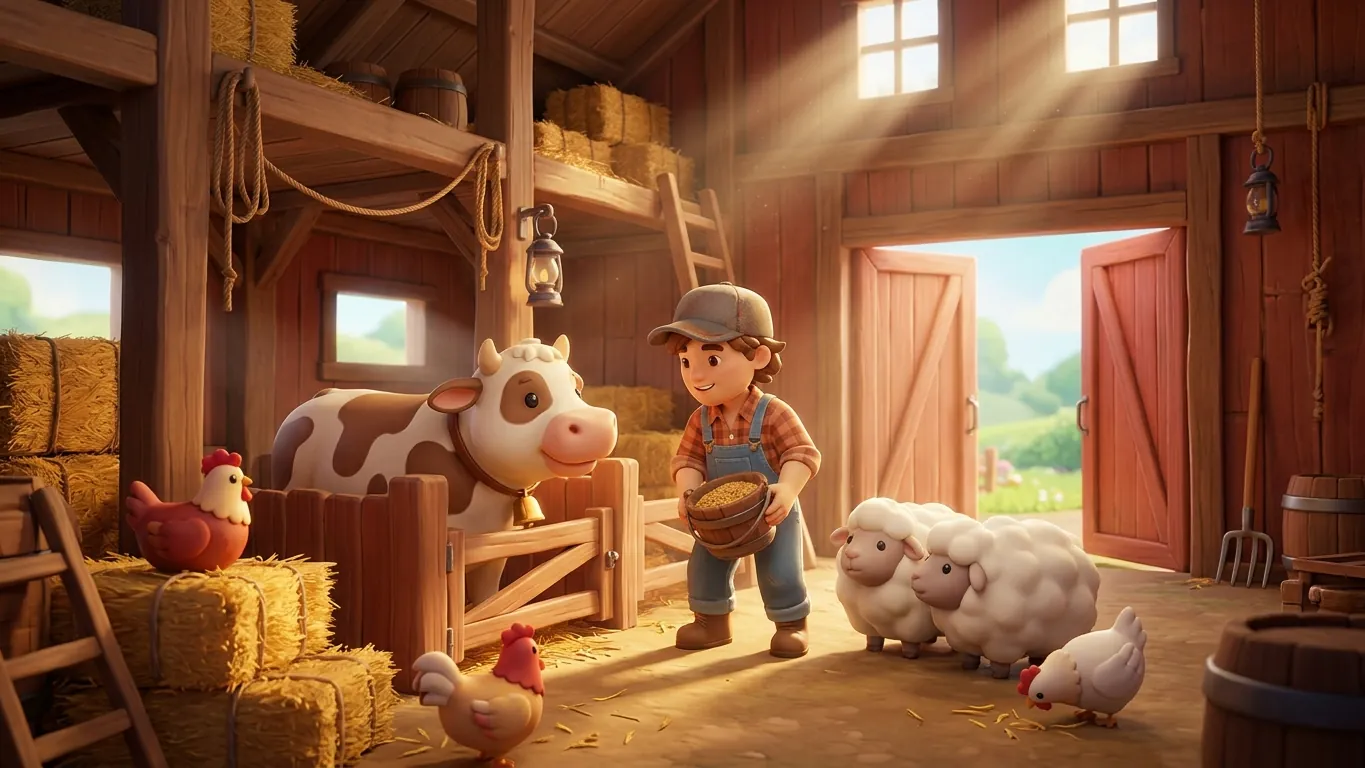 Animal care tips for farming games
Practical tips for looking after virtual farm animals: when to start, building shelters, feeding routines, collecting products and staying organized.
Read more
 Home repair sim basics: what to expect
An introduction to handyman and home renovation games: common tasks like cleaning, repairs, painting and furnishing, and tips for your first job.
Read more