Home repair sim basics: what to expect
Handyman and renovation games let you turn messy, broken rooms into clean, finished spaces. Here is an overview of how these games usually work and how to approach your first jobs.
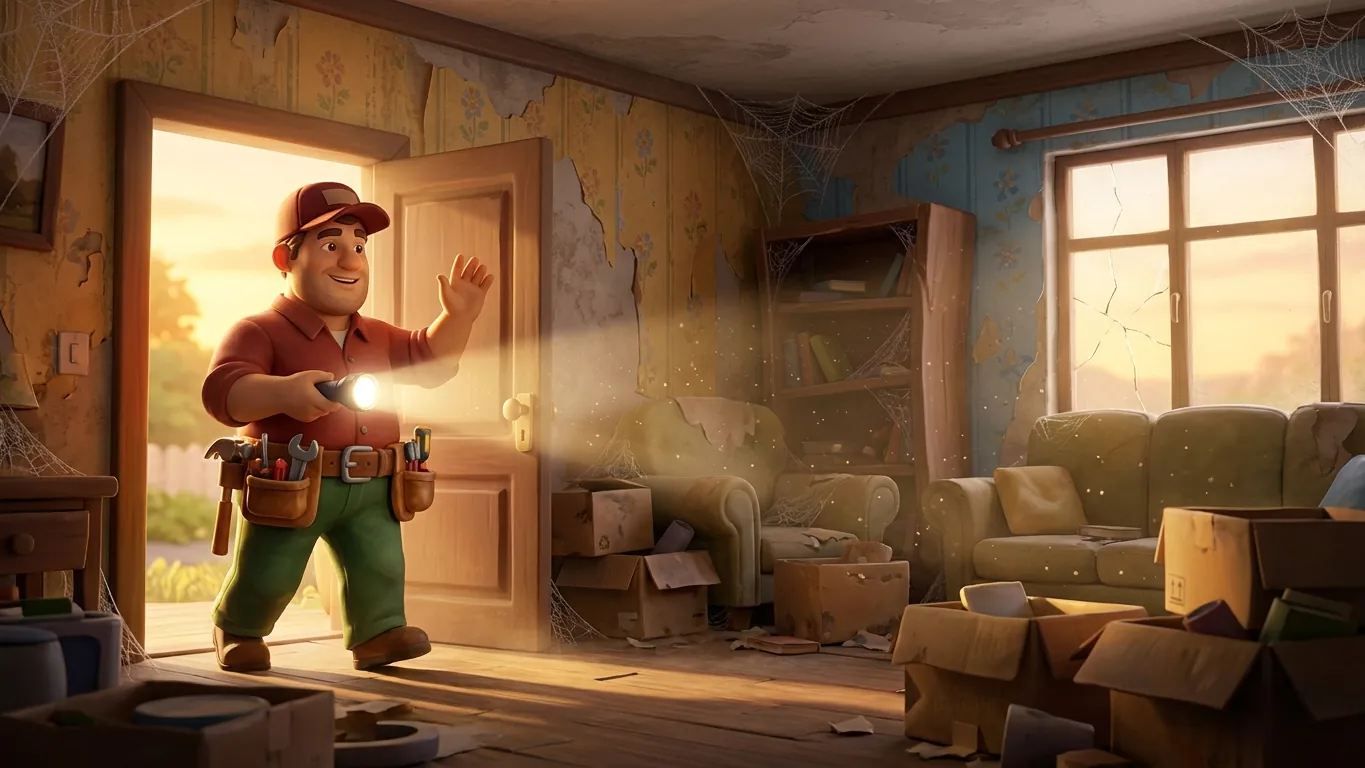
What these games are about
Home repair simulations focus on hands-on improvement. You might be hired to fix a single leaking pipe, repaint a bedroom, or completely renovate an old house. Some games also let you buy rundown properties, renovate them and sell or rent them out.
The appeal is very similar to farming games: you start with something messy and, through small, steady tasks, make it orderly and attractive. The before-and-after transformation is often the most satisfying part.
Common tasks you will encounter
Although every game is different, many share a familiar set of jobs. Cleaning usually comes first: picking up trash, removing dirt and wiping away stains. Next come demolition tasks such as removing old tiles, broken walls or damaged furniture.
Repairs might include fixing pipes, replacing electrical parts, patching walls or installing windows. Finishing work often involves plastering, painting, laying floors and tiling. Finally, decorating and furnishing bring the room to life. Many games break each job into a clear list of objectives so you always know what is left.
Read the job carefully
In career-style repair games, each job usually comes with instructions from a client. Read them closely before you start. A client might ask for a particular paint color, a specific type of flooring or only certain walls to be removed. Doing extra work that was not requested may not count toward completion and can sometimes cost you in-game money.
A quick read-through at the start helps you plan purchases and avoid redoing tasks.
Work in a logical order
Order matters in renovation games just as it does in real projects. Painting a wall before you finish demolition or plastering often means redoing it. A sensible sequence is clean, demolish, repair, prepare surfaces, finish surfaces and then furnish.
Following this order reduces backtracking and helps you finish jobs more smoothly. It also makes it easier to spot anything you might have missed.
Tips for your first few jobs
Take your time with early jobs. They are usually designed to teach the basic tools and controls. Experiment with each tool so you understand what it does and how it feels.
Keep an eye on your in-game budget. Early earnings are often modest, so focus on tools and skills that unlock more kinds of work. As you progress, you will typically gain access to larger houses, more complex repairs and more creative freedom with design.
Most importantly, enjoy the transformation. Pausing to look at a finished room is part of the fun.
Related articles
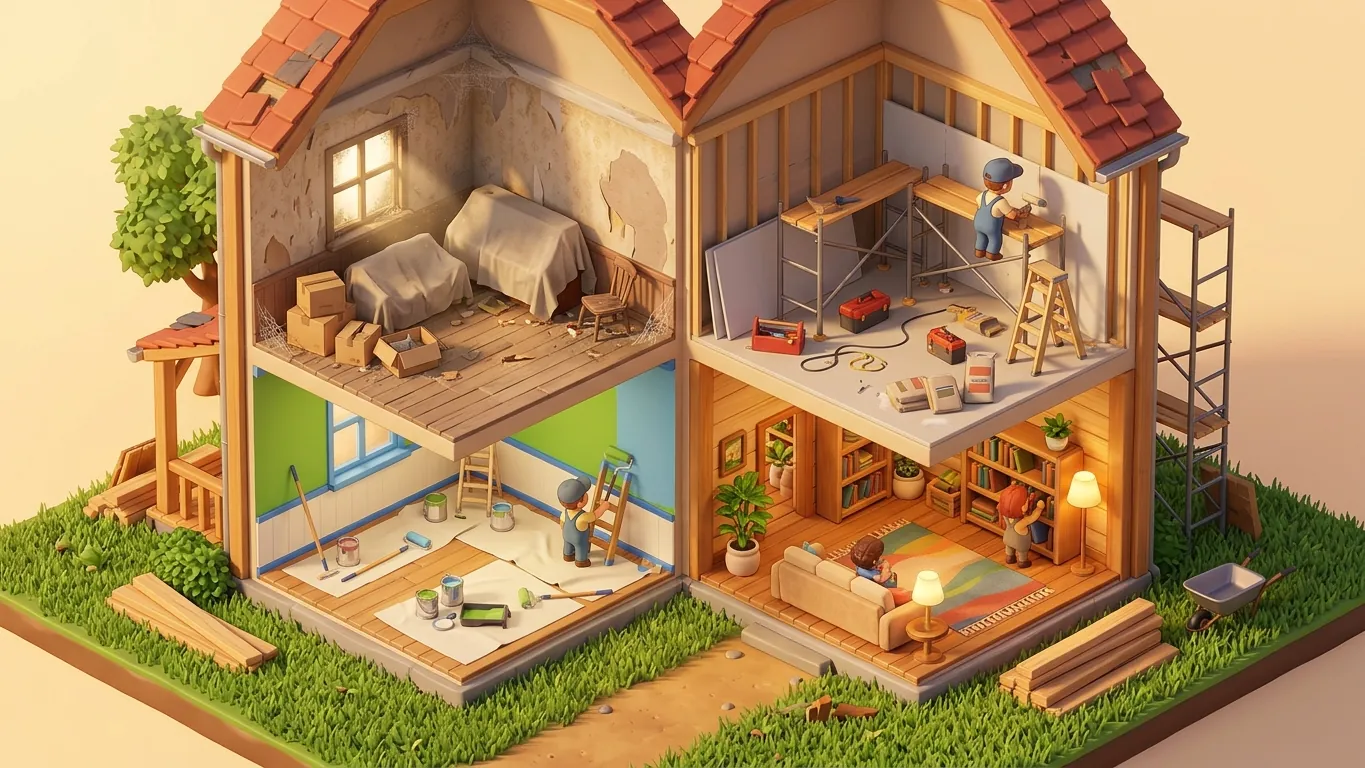 A room-by-room workflow for renovation games
Organize renovation game projects with a clear room-by-room workflow: assess, clean, demolish, repair, finish and furnish with less backtracking.
Read more
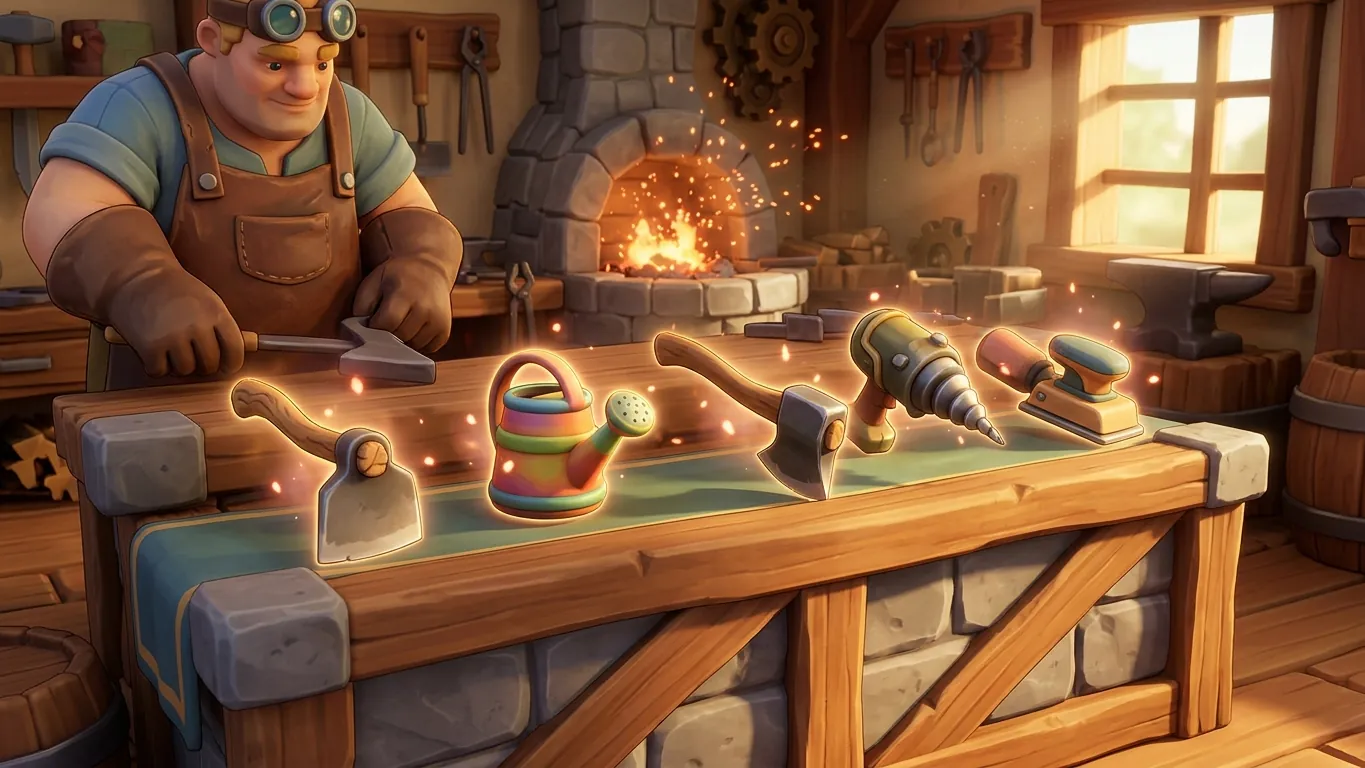 Tool upgrade priorities in farm and fix games
How to think about tool upgrades in farming and home repair games: which tools to improve first, balancing costs and planning around your routine.
Read more
 Managing time and energy in cozy sim games
Tips for managing in-game days, stamina and daily routines in farming and home repair games so progress feels steady and relaxed rather than rushed.
Read more