A room-by-room workflow for renovation games
Big renovation projects can feel overwhelming. Breaking them into rooms and following a repeatable workflow keeps things manageable and reduces backtracking.
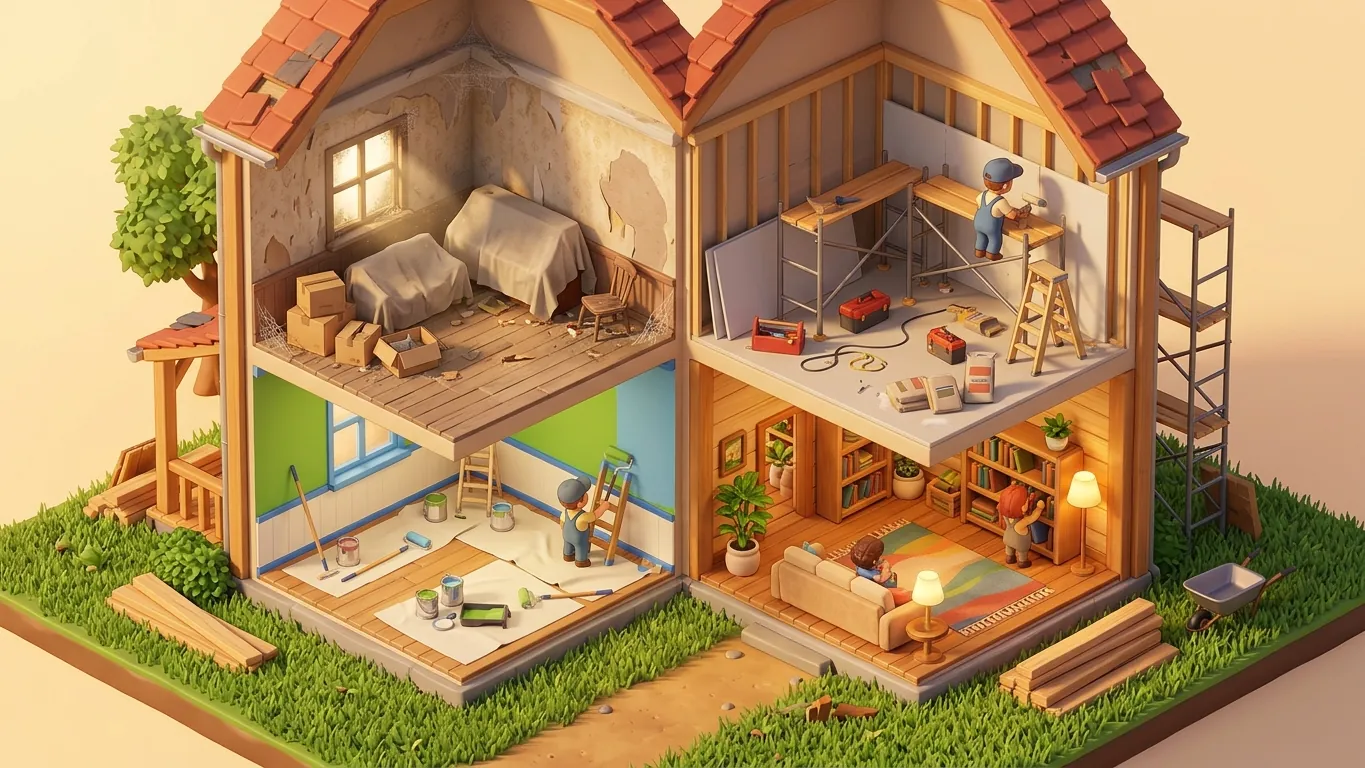
Why a workflow helps
In many renovation games, a large house can contain dozens of separate tasks. Without a system, it is easy to wander from room to room, start several jobs at once and forget what remains. A consistent workflow turns a big project into a series of small, satisfying steps.
The approach below is general and should fit most handyman and house-flipping games. Adjust it to whatever tools and rules your game uses.
The room-by-room workflow
Repeat these steps for each room, then move on to the next.
- 01
Assess the room
Walk through and note everything that needs cleaning, removing, repairing or adding.
- 02
Clean and clear
Remove trash, dirt and unwanted objects so you can see the real condition of surfaces.
- 03
Demolish what must go
Take out damaged walls, tiles, flooring or fixtures that need replacing.
- 04
Repair systems
Fix plumbing, wiring, heating or windows before covering anything up.
- 05
Finish surfaces
Plaster, paint, tile and lay floors once the structure is sound.
- 06
Furnish and decorate
Add furniture and decor last so nothing gets in the way of earlier work.
Assess before you buy
Assessment is the step players skip most often, yet it saves the most time. In many games you can inspect a room and see a list of problems, or you may need to look around carefully yourself. Either way, gather the full picture before buying materials.
Knowing the total amount of paint, tiles or flooring you need lets you purchase in one trip if your game has a shop or ordering system. It also helps you notice hidden issues, like a broken pipe behind a wall, before you decorate over it.
Finish one room before the next
It can be tempting to clean the whole house first, then paint the whole house, and so on. That approach works in some games, especially if switching tools is slow. However, finishing one room completely often feels more rewarding and makes it easier to track progress.
A middle ground is to group rooms by type. Bathrooms, for example, often share tasks like tiling and plumbing, so doing them back-to-back can be efficient. Try both styles and see which feels better for you.
Do a final walkthrough
When you believe a project is finished, walk through every room one last time. Look for small leftover items, missed stains, unpainted corners or loose fixtures. Many games will not mark a job complete until every objective is done, so a final check can save frustration.
This is also a nice moment to appreciate your work. Comparing the finished house with how it looked at the start is one of the most enjoyable parts of the genre.
Related articles
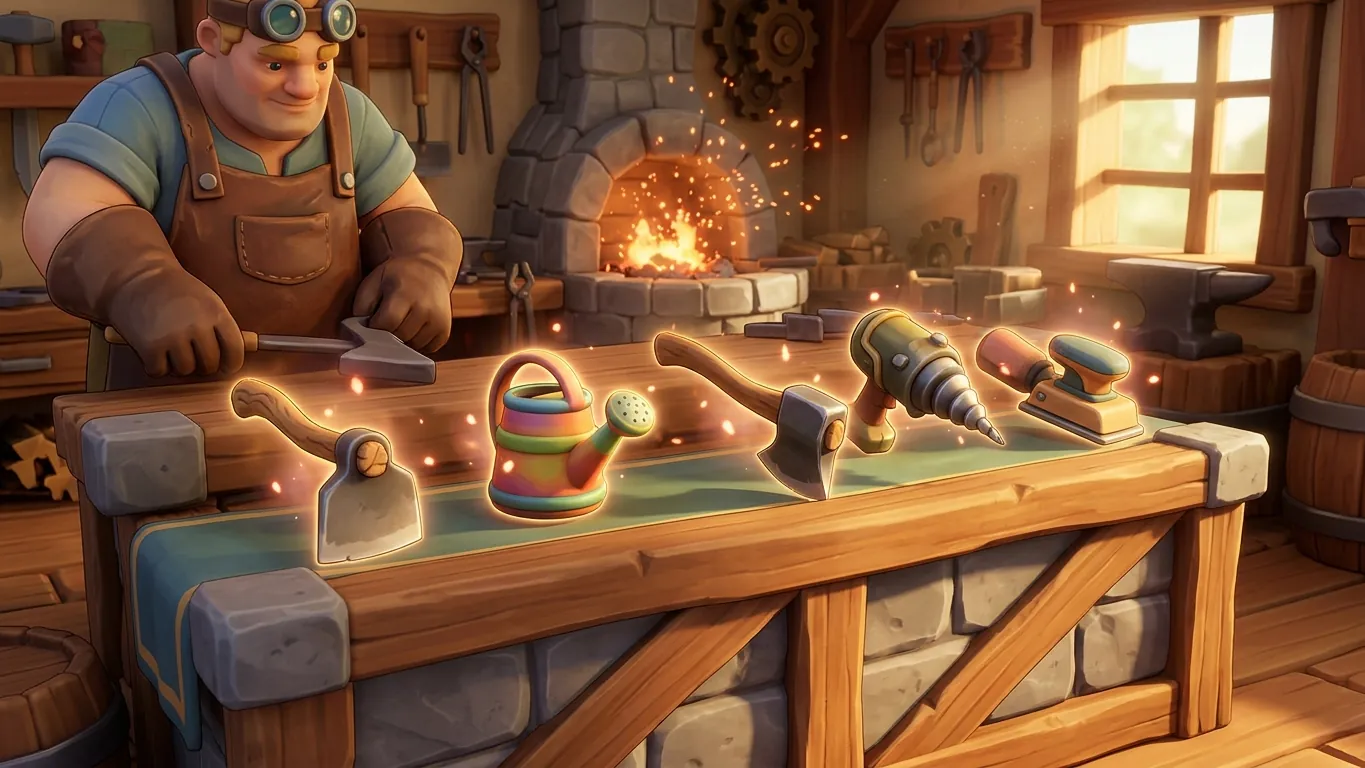 Tool upgrade priorities in farm and fix games
How to think about tool upgrades in farming and home repair games: which tools to improve first, balancing costs and planning around your routine.
Read more
 Managing time and energy in cozy sim games
Tips for managing in-game days, stamina and daily routines in farming and home repair games so progress feels steady and relaxed rather than rushed.
Read more
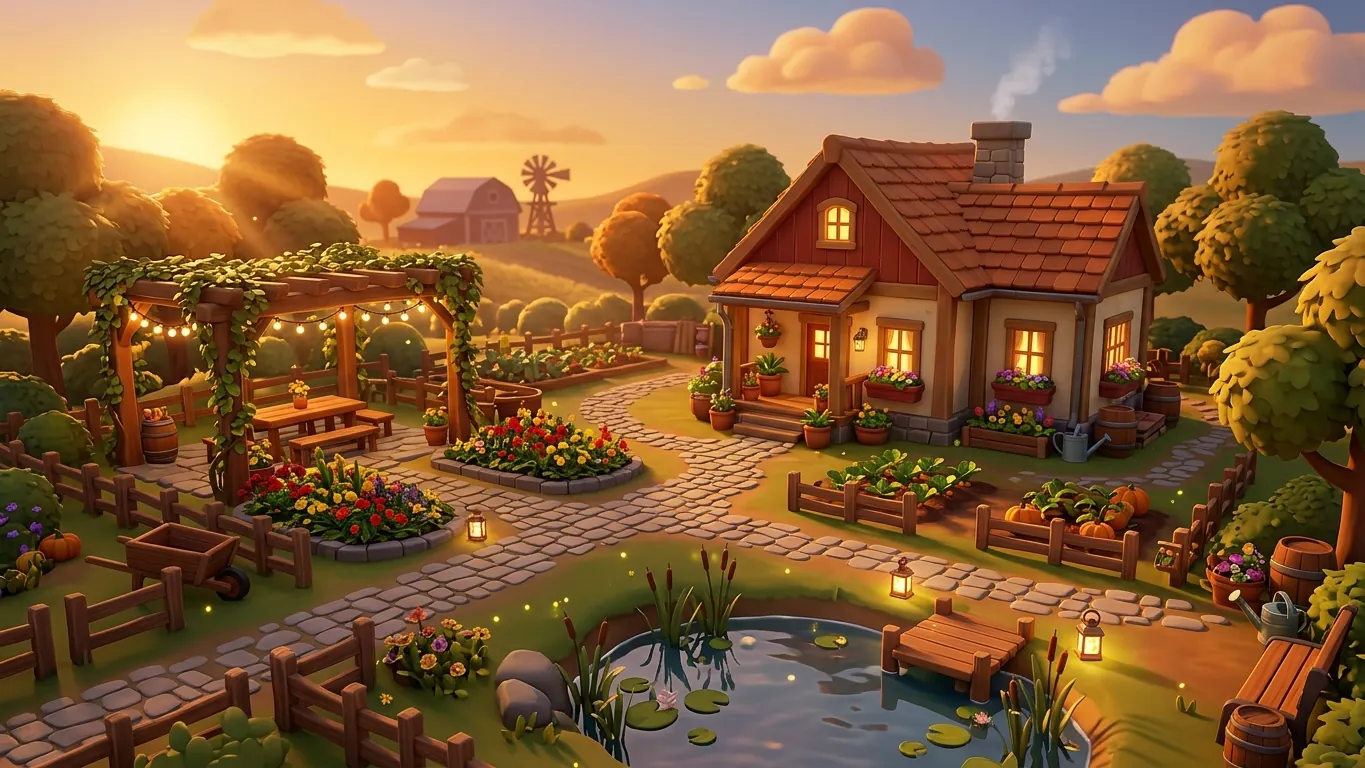 Decor and design tips for farms and homes
Ideas for decorating your farm and renovated rooms in cozy sim games: color palettes, paths, zones, lighting and personal touches that stay practical.
Read more